
Why a design system matters
A design system is a shared library of UI components (buttons, forms, navigation elements) and design tokens (colors, typography, and spacing). It is the visual identity of your company.
It's also what you've been building vibe-coded prototypes without.
If you've ever been curious why engineering gives you a one-way ticket to the backlog when you've brought them a fully functional, great looking vibe-coded prototype, this is why.
A stroll down engineering lane
Engineering isn't rejecting vibe-coded prototypes because they want to. They're rejecting them because they have to.
Imagine trying to patch up a Lego build with play-doh.
Those two mediums don't work together. Similarly, the end result from vibe coding platforms doesn't align with your company's codebase. It doesn't follow the same standards or use the same technologies that your engineers build with.
A design system is the visual aspect of those standards. It's the building blocks for the visual layer of all products and digital assets.
The prototypes you build without your company's design system will go to the back of the queue along with every other PRD and design mockup.
The prototypes you build with it will get shipped.
Bolt.new's Design System Agents
How it works
The Design System Agents ingest all the source files that define your company's visual identity into Bolt.new. These files could include:
- UI components directly from your codebase
- npm packages
- Storybook sites
- documented component specs
- logos, iconography, proprietary fonts
- brand guidelines
- and anything and everything else that may define your team's design system
Once the Agent has learned your Design System, everything you build in Bolt.new will use the same code standards and design components your engineers build with.
What this means for your codebase
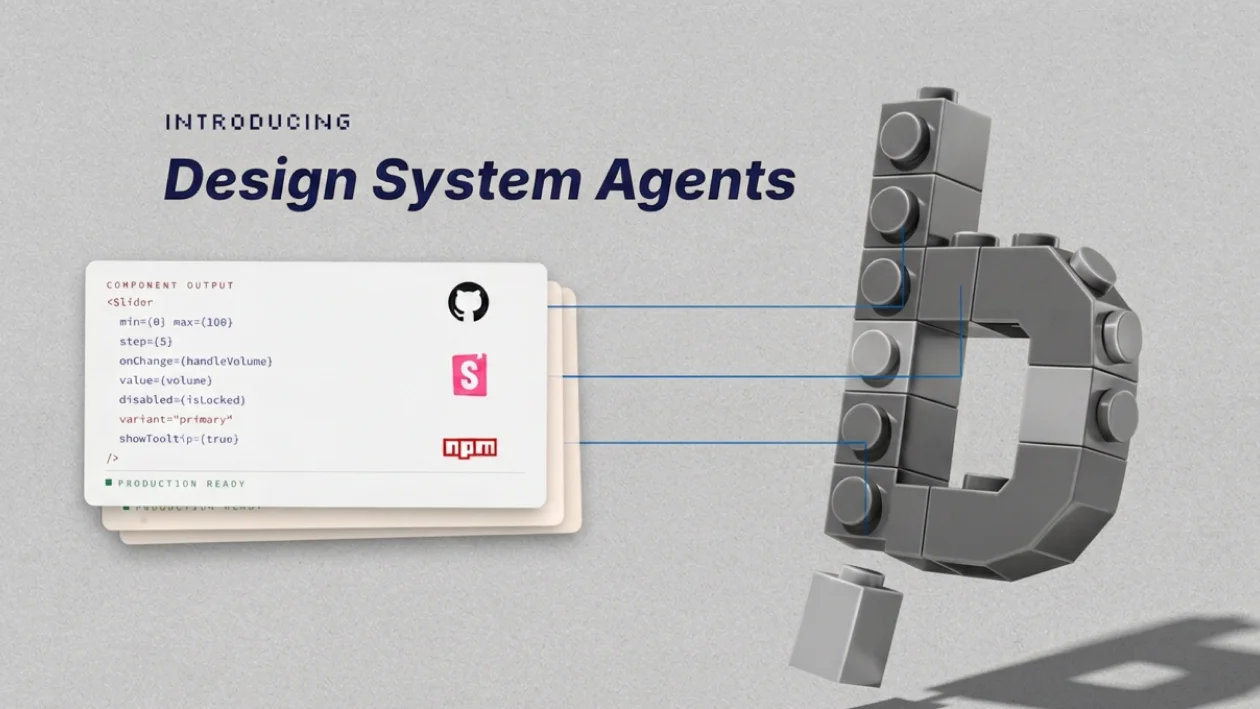
Without a design system, vibe coding tools cobble together your UI from scratch. It's like attempting to make legos by hand out of random melted plastic. It might look a lot like a real Lego when you're done, but it won't snap seamlessly into your company's codebase.
With Bolt.new's Design System Agent, you're pulling from the exact same bin of pre-molded Lego bricks (i.e. visual components) that your engineering team uses every day. This eliminates the "translation tax": the weeks engineers usually spend rebuilding vibe coded prototypes from scratch.
With Bolt.new, the Design System Agents will generate code that is native to your environment from the start. The benefits are significant:
- Real components, not inventions - Every button, navbar, form, and input is an existing, approved component pulled directly from your library, not a hallucinated element.
- No rogue styling - It references your actual design tokens instead of guessing at hex colors or magic numbers.
- Instant familiarity - File structure, import paths, and naming patterns match your production codebase exactly.
No more pushback. No more backlogs. The next time you bring a Bolt.new prototype to engineering, they don't have to throw the code away. They review it, wire it up to the backend, and ship it.
Building with your Design System means the prototype is the product.