The Bolt Blog

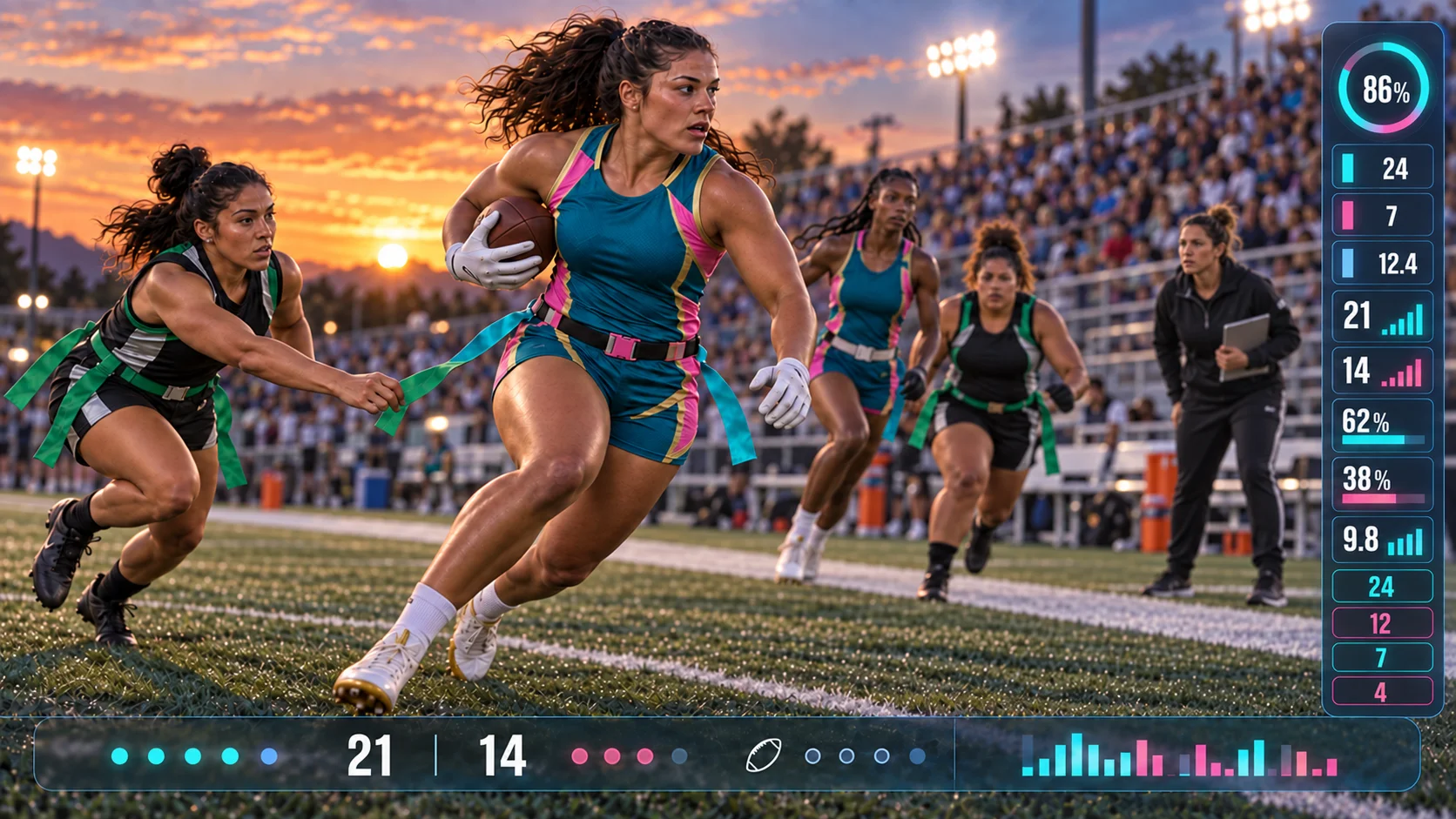
- Flag football is having a moment. FlagStat is keeping score
Bradley Metrock built FlagStat, the operating system for flag football, on Bolt.new. It now serves customers in at least 16 states and is the official statistics platform of the NFHS.

- What is Bolt Forge?
Bolt Forge is a new Bolt.new agent that runs on open-source AI models, giving every individual Pro plan up to 50X more usage at no extra cost through October 14, 2026. Opted-in sessions help train open-weight models with Arcee AI.


- Build a landing page with AI in under an hour
Learn when to build a landing page with AI instead of templates. Generate code in Bolt, test forms, and publish with checks.

- AI app development: Using AI from start to finish
See how AI app development moves from idea to launch, with the right tool named for each stage and the point where you need an engineer.
- How should product managers use AI to test ideas?
See where AI for product managers fits: PRDs, prototypes, user tests, and the Bolt.new workflows that turn specs into proof.
- Low-code vs. no-code vs. AI app builder: 9 tools compared
See where a low-code app builder still wins, where no-code breaks down, and where AI builders take over, with nine tools compared and a decision framework.

- When does no-code web development stop scaling?
Learn where no-code web development hits its ceiling: vendor lock-in, data limits, pricing walls, and template caps, before you build past it.
- 5 best AI website builders in 2026, ranked by capability
Compare five AI website builders by capability ceiling: four build marketing sites, one ships full-stack apps with auth and a database.

- How has AI changed web application development?
Evaluate AI-native web application development: compare code completion, agentic builders, QA gaps, and what you need to ship secure apps.
- How should teams choose an AI application builder?
Compare each AI application builder by output quality, infrastructure, ownership, security, and cost per shipped product. Pick the right fit.
- How to launch an app end-to-end quickly
Launch your app with confidence. Use this end-to-end playbook to master store submission, user acquisition, and retention without pre-launch guesswork.
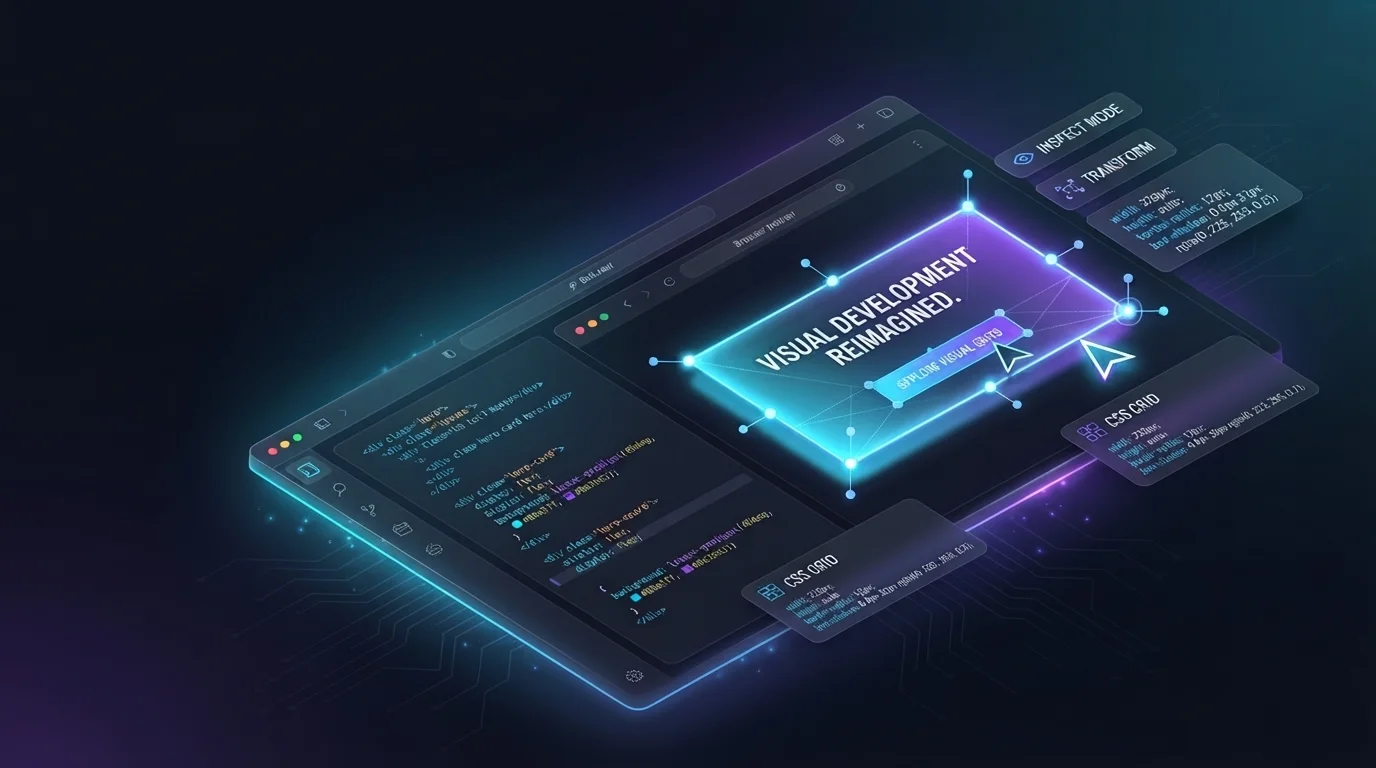
- Visual Edits: edit your app by clicking on it
Visual Edits is live in Bolt.new. Click any element, change text, size, and color with a toolbar, then send batched changes to the model at once.
- How to build a web app without hiring a developer
Compare code, low-code, and AI builders to see how to build a web app, scope your MVP, and follow a Bolt workflow to a live URL.

- How to build smarter: a guide to better prompting
Eight prompting habits, priced: what clustered prompting, prompting cues, agent choice, and queueing each cost or save in Bolt.new.

- Why most rapid prototyping tools stop at clickable mockups
Compare rapid prototyping tools by fidelity, workflow, and handoff. See when you need mockups and when you need working software.

- Becoming his own everything: business orchestration in four movements
Ssebandeke Dullaart built payment rails, dashboards, and a full ERP for his four Ugandan businesses on Bolt.new, cutting out the middleman fee on every transaction.

- Visionary tech focuses on a more independent horizon
Buhari Salisu built VISION-LINK's cloud backend and caregiver dashboards for AI smart glasses on Bolt.new in a few hours, skipping a $4,000, six-week vendor quote.

- How to deploy a web app without an engineer
Ready to launch? See how Bolt helps you deploy web app projects with integrated hosting, databases, authentication, domains, and SSL.

- The print store a photographer waited 15 years to open
A San Diego photographer wanted his own print store for 15 years. He built it on Bolt.new for about $450, instead of the $10,000 an agency would charge.

- When to choose an AI app builder over a no-code app builder
Compare a no-code app builder with AI tools across code, design systems, infrastructure, SEO, security, and portability. See which fits your workflow.